


The Art of Thinking in Lower School 2
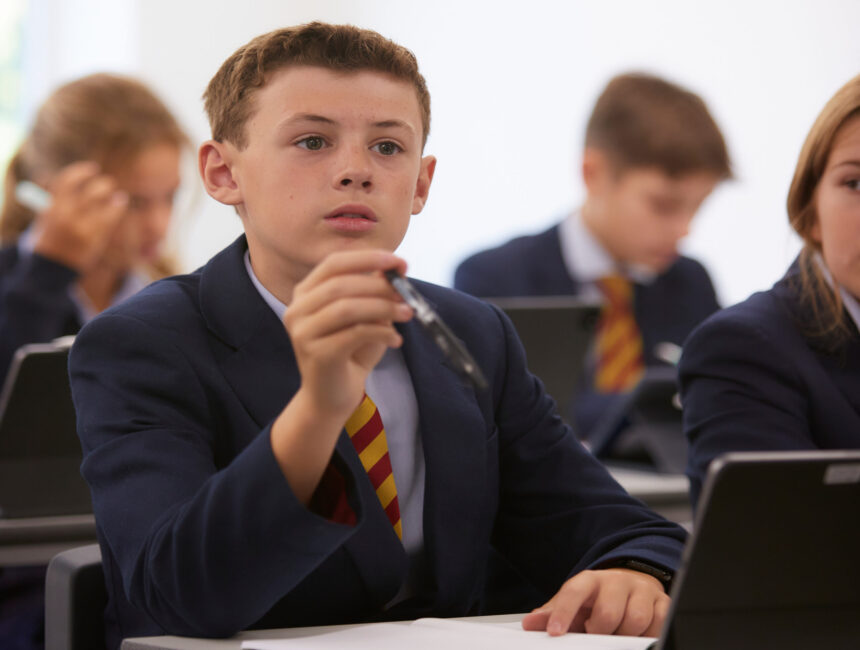
I am lucky to spend much of my time observing lessons and, walking into two very different Lower School 2 classes this week, I was reminded of the power of great teaching. The Geography and Theology & Philosophy lessons varied widely in subject matter and style, but both aimed to engage, challenge, and stretch pupils’ thinking. What struck me most was how these lessons not only delivered rich curriculum content but also actively encouraged our three key Executive Functions—Working Memory, Cognitive Flexibility, and Sustained Attention.
Geography: Research, Reflection, and Oracy in Action
 In Geography, pupils were exploring the Sustainable Development Goals (SDGs). The lesson began with a clear and structured introduction, setting the stage for pupil presentations. With iPads in hand, pupils had researched and prepared their own reflections on these pressing global issues. As they presented, their peers listened attentively, completing structured reflection sheets—an exercise that reinforced Working Memory by requiring them to process and retain key ideas.
The teacher’s role was pivotal: moving around the room, engaging with pupils, and gently pushing their thinking further. The rapport was exceptional, creating an environment where pupils felt confident to express their ideas, while the emphasis on oracy—giving pupils a platform to articulate complex topics—was invaluable.
What stood out most was the careful balance between structure and intellectual challenge. Pupils had clear metrics for success, ensuring that their presentations were purposeful, while the teacher’s thoughtful questioning stretched their perspectives. This is where Cognitive Flexibility came into play—pupils had to engage with their peers’ ideas, consider alternative viewpoints, and refine their own thinking.
Theology & Philosophy: Deep Thought and Inquiry
 In Theology & Philosophy, the lesson was equally compelling but took a different approach. Pupils were marking and reflecting on their prep work before diving into a philosophical dilemma inspired by The Matrix: given the choice, would you stay in a simulated world or seek the truth? The discussion was rich and revealing—pupils grappled with profound questions, offering perspectives that were sometimes surprising, sometimes alarming, but always thoughtful.
Here, Sustained Attention was evident. The classroom was calm and ordered, and pupils were deeply engaged, both in their writing and their discussions. The teacher masterfully guided the conversation, probing with simple yet powerful questions—”But why?”—to push pupils beyond surface-level responses. This insistence on deeper reasoning built both Working Memory (as pupils recalled and applied prior knowledge) and Cognitive Flexibility (as they responded to counterarguments and reconsidered their own positions).
Executive Functions in Teaching and Learning
These two lessons exemplify the importance of good teaching. In the geography classroom, the teacher’s enthusiasm and structure gave pupils the confidence to present and refine their ideas, while the TP teacher’s probing questions and calm authority encouraged disciplined, independent thought. Both lessons nurtured not just knowledge but the habits of mind that will serve pupils well in every aspect of their lives. Executive Functions are not abstract concepts; they are built, lesson by lesson, through the experiences we create in the classroom.


